Federal USCG certification combines with New Hampshire state compliance requirements. This comprehensive guide walks you through every step.
From OUPV 6-pack license in new hampshire to Master credentials, the pathway is clearly defined. Let’s navigate your certification journey.
USCG Approved Training for New Hampshire Mariners
Join New Hampshire boaters who’ve earned their credentials through our Coast Guard certified training programs designed for lake and river operations.
New Hampshire captains operate under the same federal framework as coastal operators. Your credential type determines your professional scope.
OUPV Six-Pack Credential Overview
Operator of Uninspected Passenger Vessels credentials serve as the maritime industry entry credential. This certification authorizes carrying up to six passengers for hire.
Your vessel must remain under 100 gross tons. New Hampshire’s lake and river vessels typically fall well within this limit.
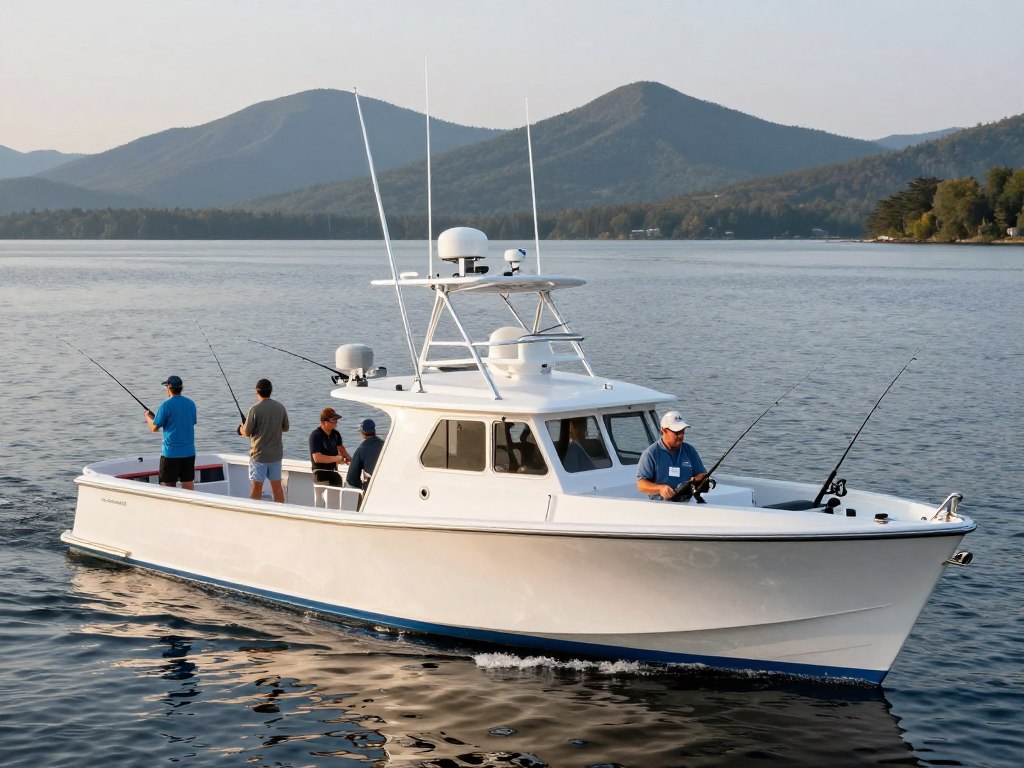
Fishing charters, sunset cruises, and recreational tours fall under OUPV authority. Most New Hampshire seasonal charter businesses operate with this credential.
Master Credentials and Tonnage Ratings
Master licenses remove the six-passenger limitation. These credentials authorize unlimited passenger operations within tonnage specifications.
Master 25-ton credentials cover vessels up to 25 gross registered tons. Master 50 and 100-ton ratings expand your operational capacity proportionally.
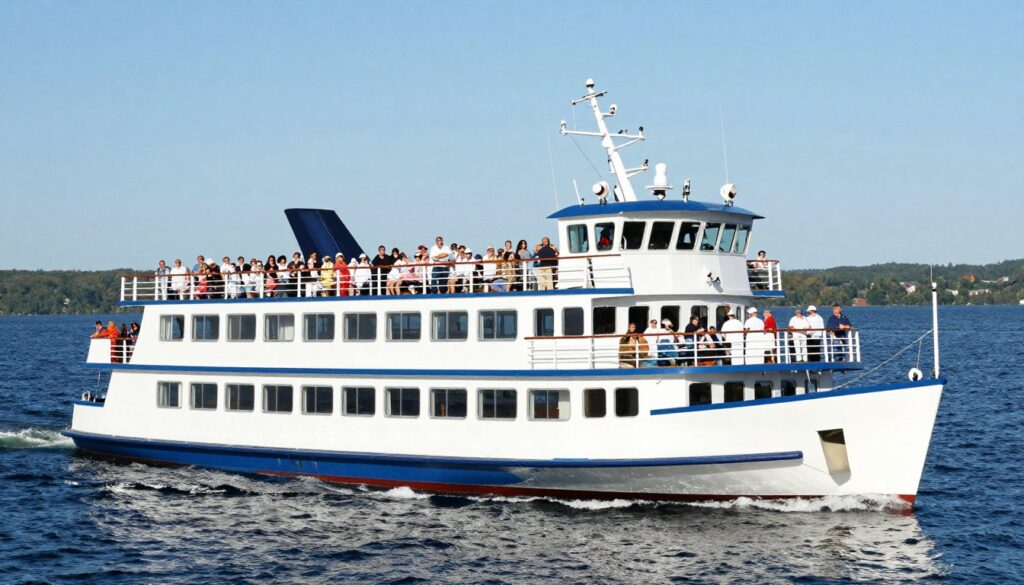
Tour boat operations and larger charter vessels require Master credentials. New Hampshire’s tour boat industry on major lakes needs these certified professionals.
Gross Tonnage Explained
Tonnage measures internal vessel volume, not weight. Coast Guard documentation specifies each vessel’s official tonnage.
Your captain license must equal or exceed your vessel’s registered tonnage. Operating beyond your credential rating violates federal regulations.
Meeting Federal Eligibility Standards
New hampshire captains license requirement aligns precisely with national USCG standards. Specific criteria must be satisfied before application.
| Credential Requirement | OUPV (6-Pack) | Master 25/50/100 Ton |
| Age Minimum | 18 years old | 18 years old |
| Citizenship Status | U.S. citizen or lawful permanent resident | U.S. citizen or lawful permanent resident |
| Sea Service Days | 360 total days, 90 in past 3 years | 360 total days, 90 in past 3 years |
| TWIC Security Card | Not required for inland waters | Required for certain vessel types |
| Drug Screening | Must be within 185 days of application | Must be within 185 days of application |
| Medical Certification | USCG physical examination required | USCG physical examination required |
| CPR and First Aid | Current certification mandatory | Current certification mandatory |
Sea Service Documentation Requirements
You must accumulate 360 documented days operating, maintaining, or working aboard qualifying vessels. This proves practical vessel handling competency.
Ninety of those 360 days must occur within the three years immediately before application. This recency rule ensures current skills.
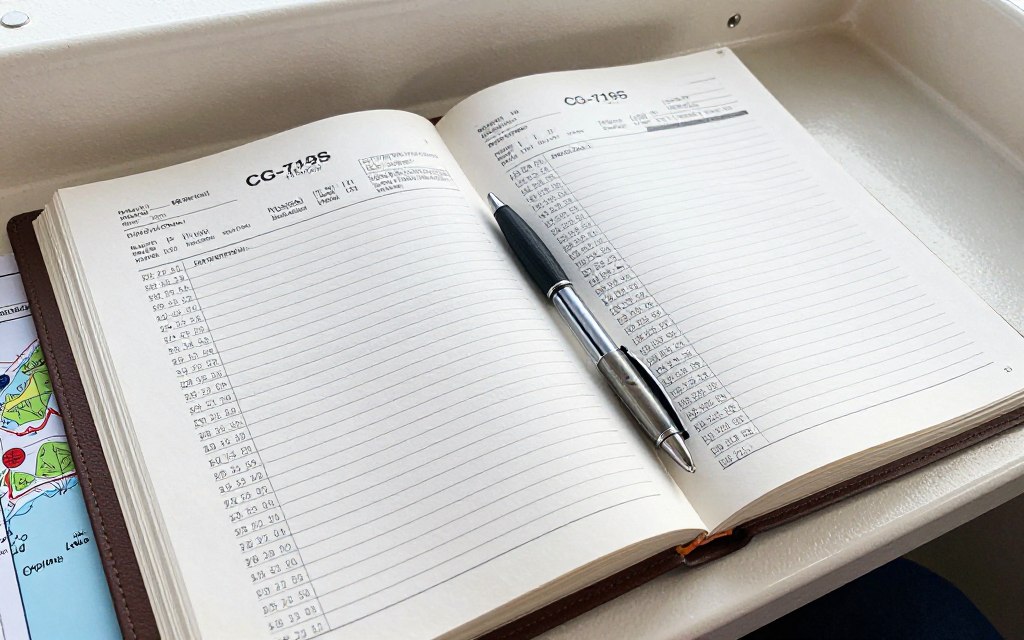
Recreational boating on New Hampshire lakes counts when properly documented. Time spent operating, navigating, or maintaining your own vessel qualifies.
Witness signatures validate your sea time. Choose vessel owners, licensed captains, or experienced mariners to verify your CG-719S forms.
Transportation Worker Identification Credential
TWIC cards provide security clearance for certain maritime facilities and operations. Requirements vary significantly by your operational area.
New Hampshire inland lake operations typically don’t require TWIC credentials. River operations connecting to navigable federal waterways may trigger requirements.
Verify your specific needs with your Regional Exam Center. Operational location determines TWIC necessity.
Approved Training Course Completion
USCG approved training prepares you for federal licensing examinations. Course completion certificates are mandatory application components.
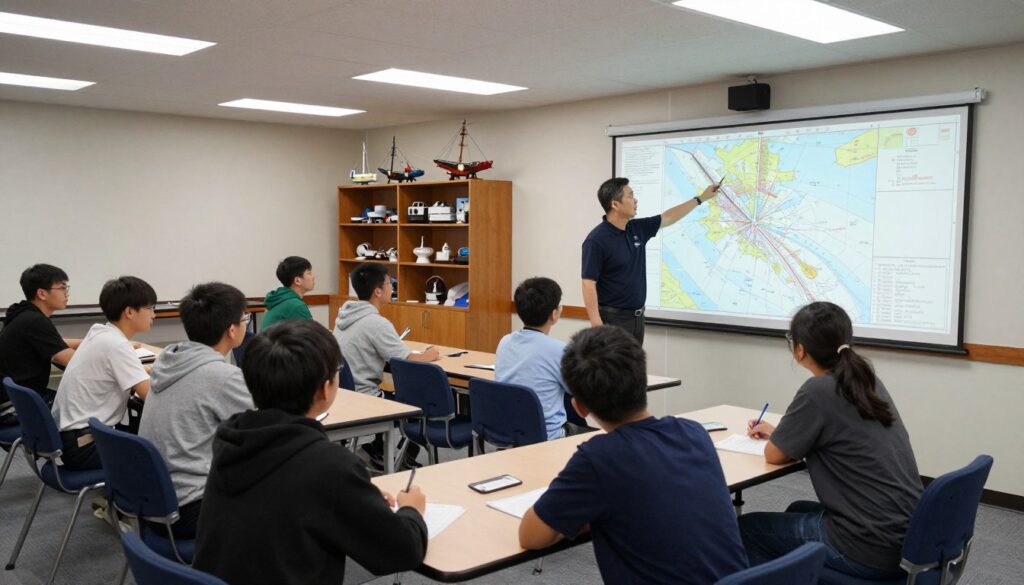
Training covers navigation rules, chart interpretation, weather systems, safety protocols, and emergency procedures. Expect intensive five to seven day programs.
Select Your Credential Path
Whether you’re starting with OUPV or advancing to Master credentials, our training courses align with New Hampshire lake and river operations.
License Upgrades and Career Advancement
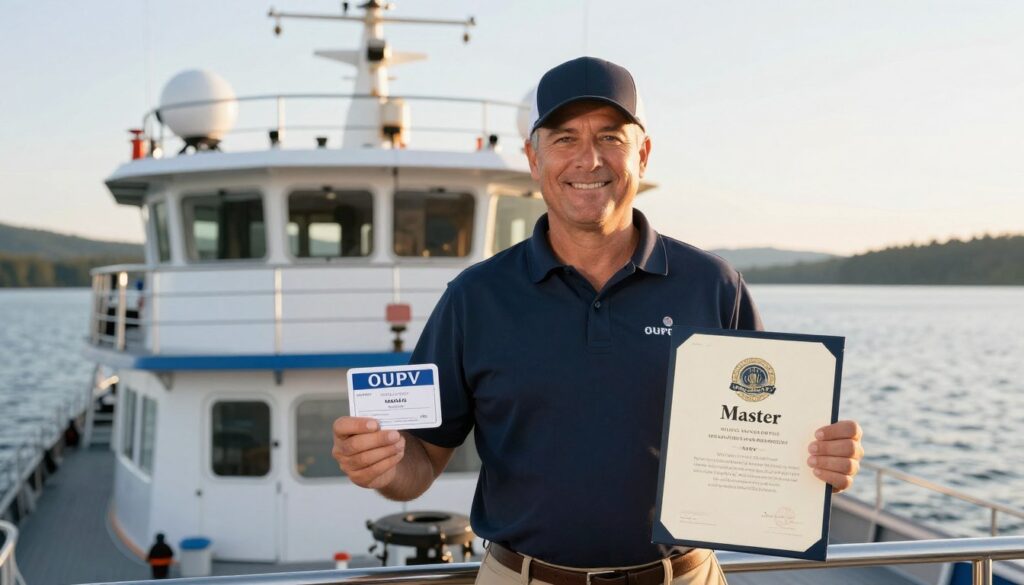
Your initial captain license provides the foundation for progressive advancement. The maritime industry rewards expanded credentials with greater opportunities.
Upgrading from OUPV to Master
Transitioning from six-passenger to unlimited passenger authority requires additional training and documentation. This upgrade significantly expands your professional capabilities.
Specialized upgrade courses bridge the knowledge gap between credential levels. These programs focus on advanced vessel operations and passenger safety management.
Additional sea service beyond your initial 360 days strengthens your application. Documented experience operating passenger vessels carries particular weight.
OUPV Authorization Scope
Your entry-level credential provides legitimate professional authority within defined parameters.
- Maximum six paying passengers per trip
- Vessels under 100 gross tons capacity
- Fishing charters and guided tours
- Inland waters and lakes operations
Master Credential Scope
Master licenses eliminate passenger restrictions and support larger commercial operations.
- Unlimited passenger carrying capacity
- Vessels up to tonnage rating limit
- Commercial tour boat operations
- Expanded geographic operational areas
Upgrade Process Requirements
Advancing your credential follows structured Coast Guard pathways with clear prerequisites.
- USCG approved upgrade course completion
- Additional 180 days documented sea service
- Current medical examination certification
- Valid drug testing within compliance window
Professional Advancement Benefits
Master credentials unlock substantially expanded career opportunities throughout New Hampshire.
- Significantly increased earning potential
- Large tour boat employment opportunities
- Commercial vessel captain positions
- Seasonal high-volume operations authority
Increasing Tonnage Ratings
Advancing from Master 25 to higher tonnage ratings follows a progressive experience-based path. Each increase requires proportional vessel experience.
Operating vessels near your current tonnage limit builds qualification for upgrades. Documented time on 40-ton vessels supports Master 50 applications.
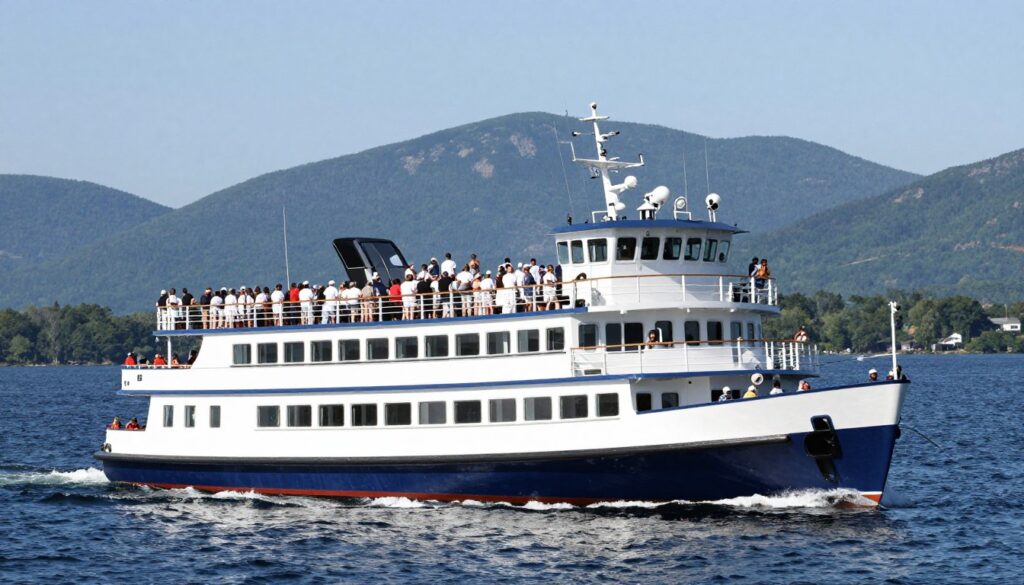
Training requirements scale with tonnage increases. Your maritime training school provides credential-specific guidance based on your current rating and advancement goals.
Sailing Endorsement Addition
Sailing endorsements authorize commercial operation of sail-powered vessels. This specialization requires demonstrated sailing competency.
You prove capability through examination or substantial documented sailing experience. New Hampshire’s sailing charter operations value this credential addition.
Sunset sails and sailing instruction businesses increasingly seek dual-credentialed captains. The sailing endorsement enhances your professional marketability.
Mate Towing Endorsement
Towing endorsements authorize commercial towing operations including tugboats and salvage vessels. This specialization opens distinct career pathways.
Towing-specific training courses teach vessel handling dynamics unique to towing operations. Understanding forces, lines, and maneuvering under tow requires specialized knowledge.
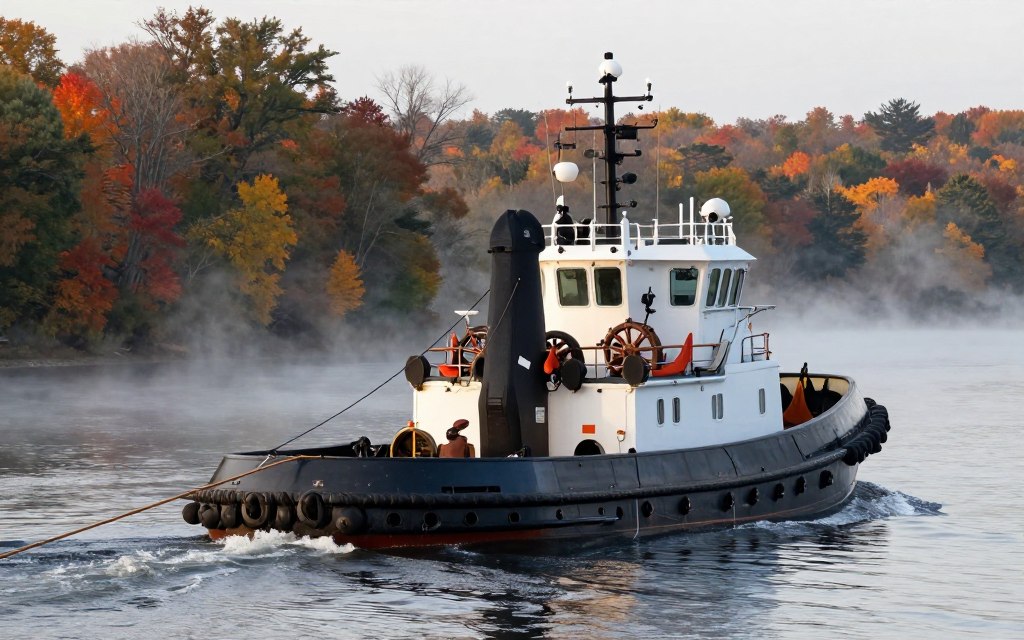
New Hampshire’s river systems support commercial towing operations. The Connecticut River and commercial waterways need credentialed towing operators.
The Renewal Process (5-Year Cycle)
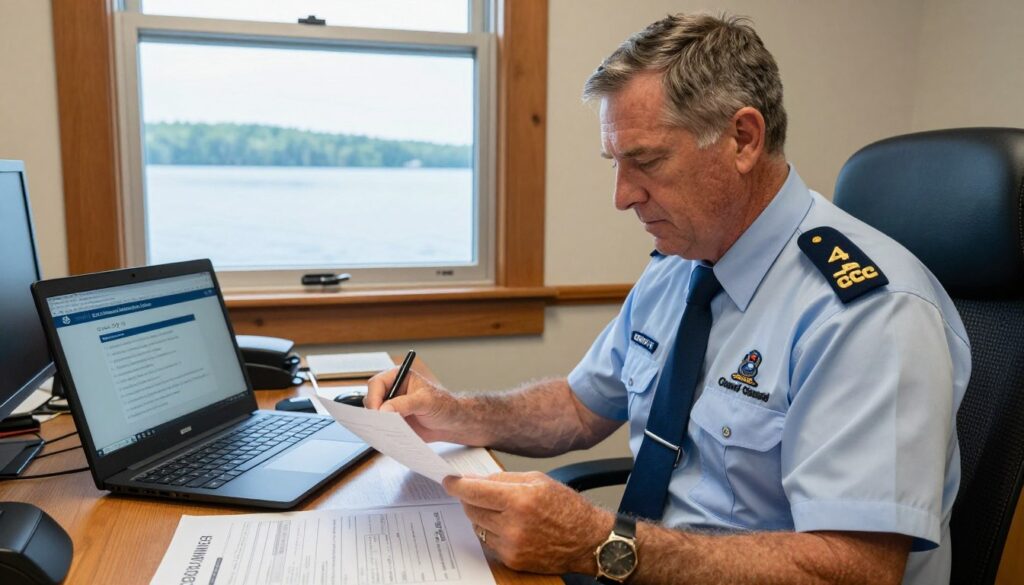
Merchant mariner credentials expire after five years. Maintaining active status requires timely renewal through established procedures.
Two distinct renewal pathways exist. Your operational activity level determines your qualification route.
Renewal Through Documented Sea Service
Active professional captains renew by documenting continued vessel operations. You must prove 360 days of qualifying sea service within the preceding five years.
This demonstrates ongoing operational competency. Your completed CG-719S sea service forms provide renewal documentation.
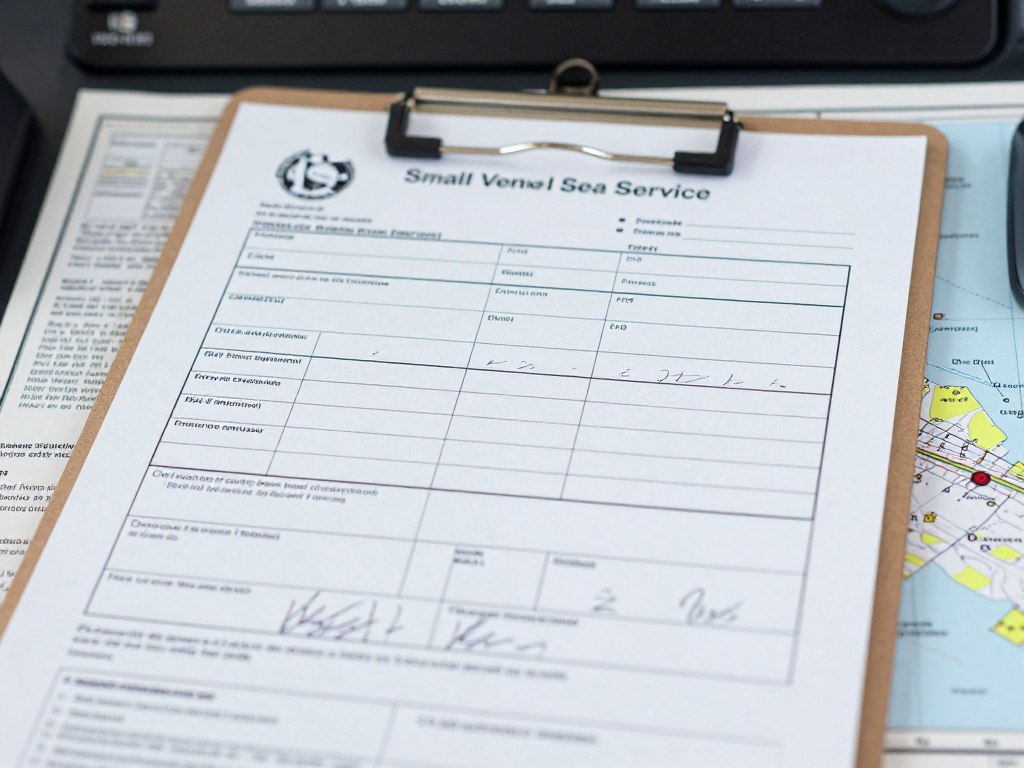
Each of the 360 days requires precise documentation. Record dates, vessel identification, operational duties, and witness verification for every qualifying day.
Sea time across all your qualifying operations accumulates toward renewal. Consistency in documentation prevents processing delays.
Renewal Through Course or Examination
Captains lacking sufficient recent sea service maintain alternative renewal options. Coast Guard regulations accommodate reduced operational periods.
You complete a USCG approved renewal course. These programs update your maritime knowledge and verify continued competency.
Alternatively, you may pass an open book examination administered by the Coast Guard. This demonstrates retained knowledge despite reduced water time.
New Hampshire’s seasonal operations often lead captains to this renewal path. Winter months with reduced activity don’t eliminate renewal possibilities.
Understanding the Grace Period
Your expired credential immediately suspends commercial operating authority. Operating commercially on an expired license violates federal regulations.
However, Coast Guard allows one year post-expiration to renew without repeating your original full certification course. This grace period protects mariners from complete recertification.
Begin your renewal process several months before expiration. Waiting until the last minute risks operational interruption.
Mandatory Renewal Forms
Renewal applications require specific Coast Guard documentation. Each form serves distinct verification purposes.
Application Form CG-719B
This master application serves as your primary renewal document. Select the “Officer Renewal” designation clearly.
Complete every section with accuracy. Missing information or errors delay Regional Exam Center processing significantly.
Medical Certification Form CG-719K
Licensed physicians, physician assistants, or nurse practitioners must conduct your physical examination. Your medical professional must understand USCG fitness standards.
Vision standards, hearing requirements, and general health criteria apply. The examining provider uses USCG-specific medical evaluation protocols.
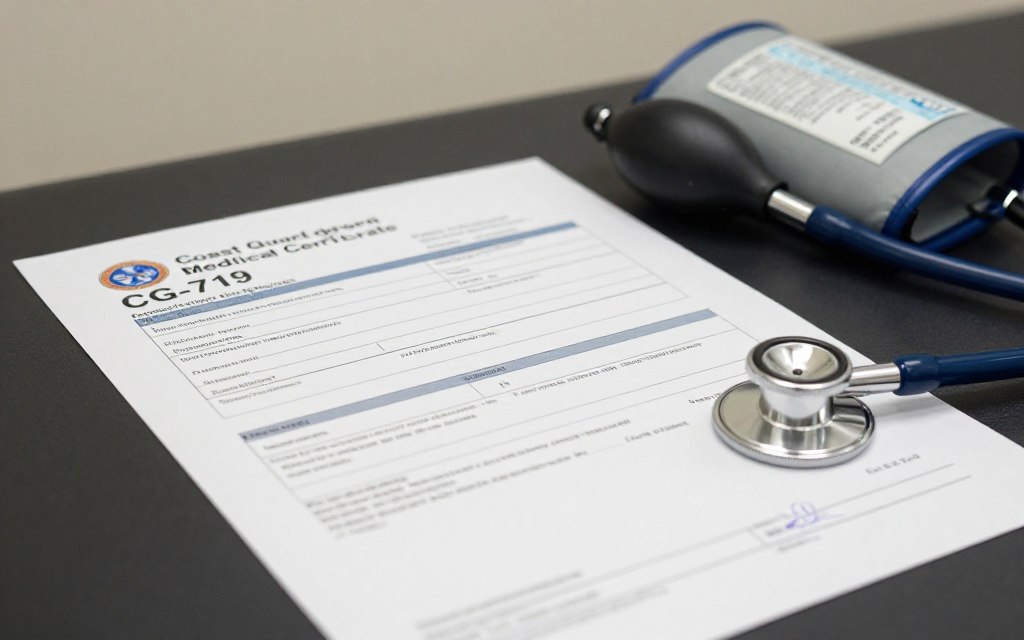
Schedule examinations within one year of your renewal submission. Older medical certifications don’t satisfy current requirements.
Drug Testing Form CG-719P
Current DOT drug testing compliance remains mandatory for credential renewal. You need recent testing documentation.
Submit proof of enrollment in a random DOT testing program. Alternatively, complete a pre-employment style drug screening within 185 days before submission.
Use only Coast Guard approved testing facilities. Non-approved facilities waste time and money with invalid results.
Sea Service Documentation Form CG-719S
This form documents your 360 qualifying days when using the sea service renewal path. Each entry needs complete verification.
Vessel owners, licensed captains, or qualified maritime observers sign as your witnesses. Their signatures validate your documented experience claims.
Accuracy and honesty are mandatory. Falsified sea service documentation results in credential denial or revocation.
Submitting Your Renewal
Process renewal fees through the Pay.gov federal payment system. The Coast Guard’s online portal handles application fee transactions.
Compile all documentation into one organized PDF package. Logical organization accelerates Regional Exam Center processing.
Email your complete submission to your assigned Regional Exam Center. Include your payment confirmation prominently.
Processing timelines vary from several weeks to two months. Submit well before your expiration date to maintain uninterrupted authority.
Sea Service Renewal Checklist
- Form CG-719B (Master Application marked Officer Renewal)
- Form CG-719K (Current physical within one year)
- Form CG-719P (Drug test dated within 185 days)
- Form CG-719S (Complete 360-day documentation)
- Pay.gov payment receipt confirmation
- Valid CPR and First Aid certifications
Course/Exam Renewal Checklist
- Form CG-719B (Master Application marked Officer Renewal)
- Form CG-719K (Current physical within one year)
- Form CG-719P (Drug test dated within 185 days)
- Renewal course certificate OR examination completion proof
- Pay.gov payment receipt confirmation
- Valid CPR and First Aid certifications
Simplified Renewal Support
Navigate the renewal process confidently with expert guidance. We ensure your documentation is complete and submission is accurate.
New Hampshire Specific Requirements
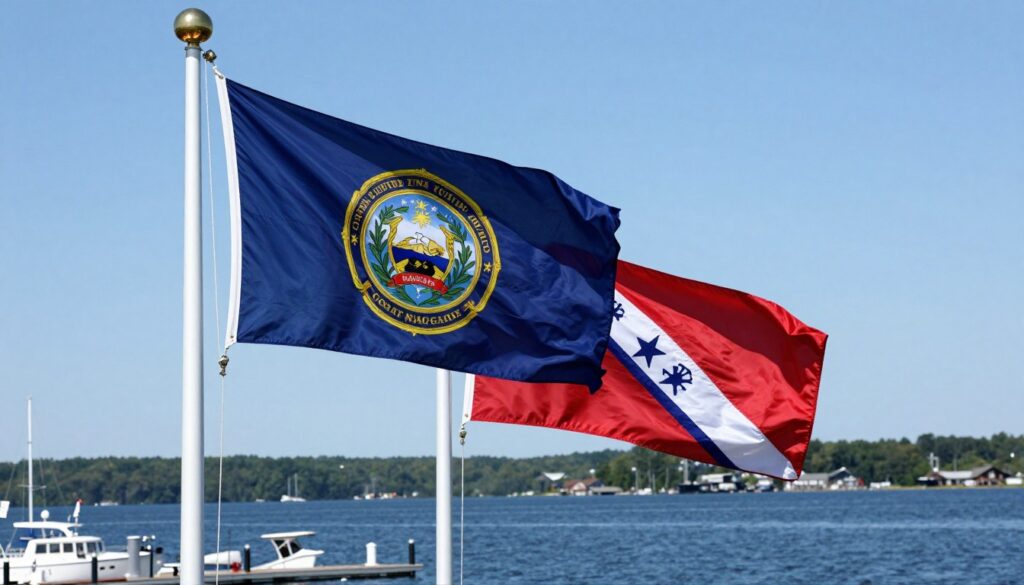
Federal USCG credentials provide nationwide operating authority. New Hampshire adds state-level regulations for commercial water-based activities.
Understanding both regulatory layers ensures complete legal compliance. Your full authority combines federal credentials with state permits.
New Hampshire Boating Education
New Hampshire Marine Patrol enforces state boating regulations. The state requires boater education for operators born after January 1, 1983.
A valid USCG captain license generally satisfies New Hampshire’s boater education mandate. Your federal credential demonstrates superior maritime knowledge.
However, verify current New Hampshire Marine Patrol regulations directly. State requirements occasionally change with new legislation.
NASBLA-approved courses provide state-recognized certification if additional documentation is needed. Complete New Hampshire’s approved boater safety course before professional operations if required.
Commercial Guide and Charter Permits
Operating fishing charters in New Hampshire requires state-issued permits beyond your federal credential. Your USCG license authorizes vessel operation only.
New Hampshire Fish and Game Department issues commercial fishing guide licenses. This permit authorizes guiding anglers for compensation.
Application procedures run through the Fish and Game licensing division. Requirements include:
- Valid USCG merchant mariner credential
- Current New Hampshire fishing license
- Commercial guide license application submission
- Required fees and supporting documentation
- Proof of commercial liability insurance coverage
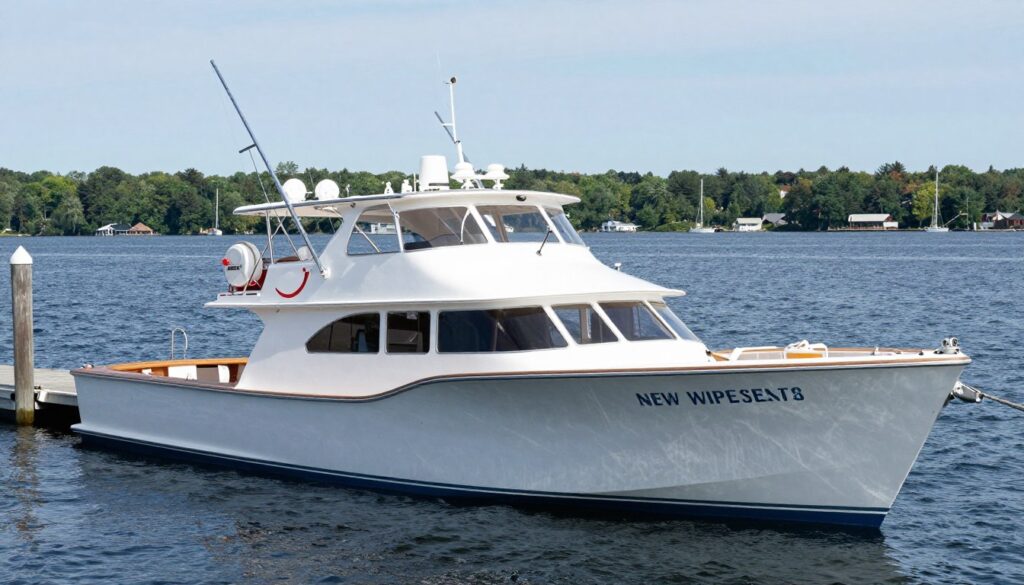
Annual renewal maintains your guide authority. Track all license expiration dates carefully to avoid lapses.
Tour and Passenger Vessel Regulations
New Hampshire regulates passenger-carrying vessels beyond fishing operations. The Marine Patrol Division oversees commercial passenger vessel compliance.
Requirements vary by operation type, passenger capacity, and operational location. Lake Winnipesaukee tours face different considerations than Connecticut River operations.
Business Registration Requirements
Your charter operation constitutes a business entity. New Hampshire business licenses come from your municipality or the Secretary of State.
Register your business structure appropriately. Sole proprietorships, limited liability companies, and corporations carry different requirements and protections.
Consult New Hampshire business resources or legal counsel. Proper structure protects personal assets and ensures regulatory compliance.
Commercial Insurance Mandates
Commercial marine insurance protects passengers, your business, and your assets. New Hampshire may require insurance proof for certain commercial operations.
Liability coverage protects against passenger injury claims. Hull insurance protects your vessel investment from damage or loss.
Coverage amounts depend on passenger capacity, vessel value, and operation type. Maritime insurance specialists provide New Hampshire-specific guidance.
Federal Versus State Authority Comparison
Your operational permissions layer federal USCG and New Hampshire state authorities. Understanding each credential’s scope prevents violations.
| Commercial Activity | USCG License Only | USCG Plus NH Permits |
| Operate Inspected Passenger Vessels | Yes (federal authorization) | Yes (full compliance) |
| Guide Paid Fishing Charters | No (requires NH guide license) | Yes (full compliance) |
| Operate Uninspected Passenger Vessels | Yes (federal authorization) | Yes (full compliance) |
| Commercial Towing Services | Yes with towing endorsement | Yes (full compliance) |
| Sunset and Sightseeing Tours | Yes (federal authorization) | Yes (business license advised) |
| Operate Only in NH State Waters | Yes (federal supersedes state) | Yes (full compliance) |
| Advertise Fishing Guide Services | No (requires commercial guide permit) | Yes (full compliance) |
New Hampshire Training Locations
New Hampshire offers multiple access points for captain training and USCG examination. Strategic locations serve different regions effectively.
Portsmouth serves New Hampshire’s seacoast region. Coast Guard facilities and approved training providers operate throughout the state.
Lake Winnipesaukee region supports inland training focused on lake operations. These programs emphasize freshwater navigation and seasonal considerations.
Connecticut River towns provide access for river-focused operations. Each region offers training tailored to local operational environments.
Finding USCG Approved Training
Coast Guard approved course providers maintain strict USCG educational standards. Not all maritime instruction qualifies for licensing purposes.
Verify approval status before any enrollment commitment. The National Maritime Center maintains current approved provider listings.
Training formats include in-person classroom instruction and online hybrid options. Select formats matching your learning preferences and schedule constraints.

Quality instruction shows in completion and exam pass rates. Ask prospective schools about student success statistics and ongoing support.
New Hampshire Maritime Training Excellence
Access convenient New Hampshire training locations with complete state compliance guidance. Our courses prepare you for both USCG credentials and NH requirements.
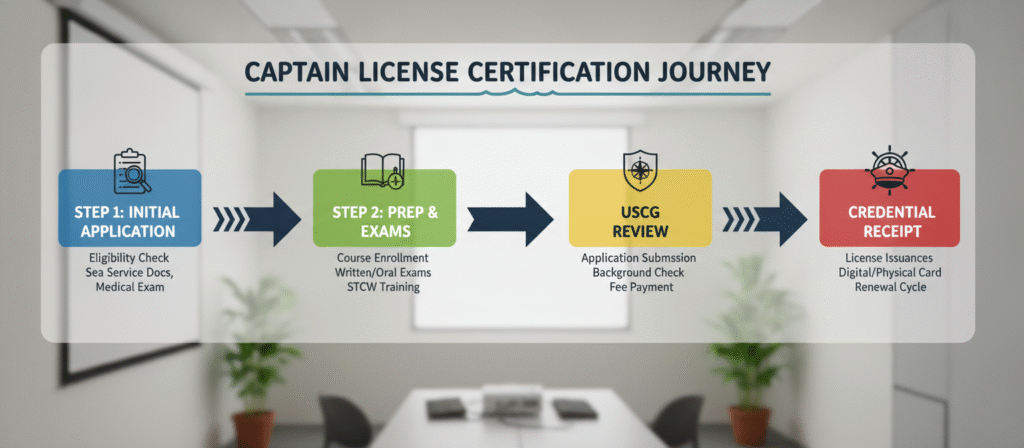 Understanding the complete certification timeline sets realistic expectations. The process progresses through distinct sequential phases.
Preparation Phase (2-4 Weeks)
Gather comprehensive sea service documentation. Contact all vessel owners and operators who can verify your experience.
Schedule your USCG physical examination. Book with a medical provider familiar with Coast Guard standards.
Complete your drug screening at an approved testing facility. Maintain your confirmation documentation carefully.
Thorough preparation determines ultimate application success. Rushing this phase creates avoidable delays.
Training Period (5-7 Days)
Intensive classroom instruction covers all required knowledge areas. Plan for full-day sessions throughout the training week.
Subjects include navigation regulations, chart plotting techniques, weather interpretation, safety procedures, and emergency response protocols.
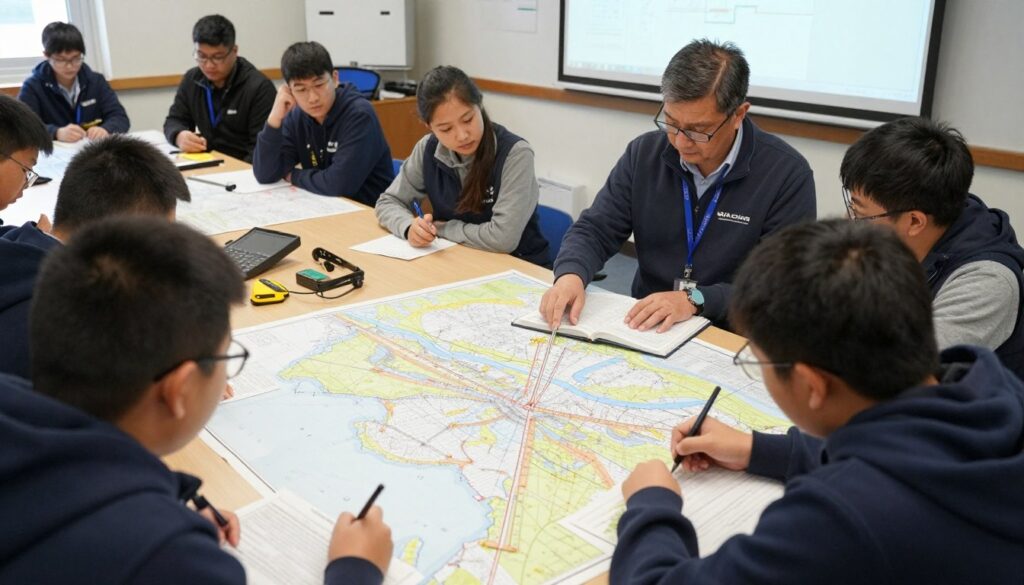
Course completion certificates become permanent application components. Store these documents securely for future renewals.
Examination Phase (1-2 Days)
USCG licensing exams test navigation knowledge, rules of the road, safety procedures, and vessel operations. Computerized testing occurs at designated Regional Exam Centers.
Passing requires 90% or higher scores on most examination modules. Results demonstrate your competency conclusively.
Failed modules allow retesting after additional study. Your training school provides resources and retake preparation support.
Application Submission (Immediate)
Compile your complete documentation package after successful exam completion. Verify every form for accuracy and completeness.
Submit electronically to your designated Regional Exam Center. Include clear payment confirmation and all supporting documents.
Technical submission issues? Verify file sizes and format requirements carefully. Your REC can clarify technical specifications.
Processing and Credential Issuance (4-8 Weeks)
Coast Guard processing timelines fluctuate with seasonal application volume. Submission confirmation arrives within several days typically.
Your physical credential ships from the National Maritime Center in West Virginia. Allow time for standard postal delivery.
Total timeline from course enrollment to credential receipt averages ten to twelve weeks. Starting early prevents operational delays.
Common Challenges and Solutions
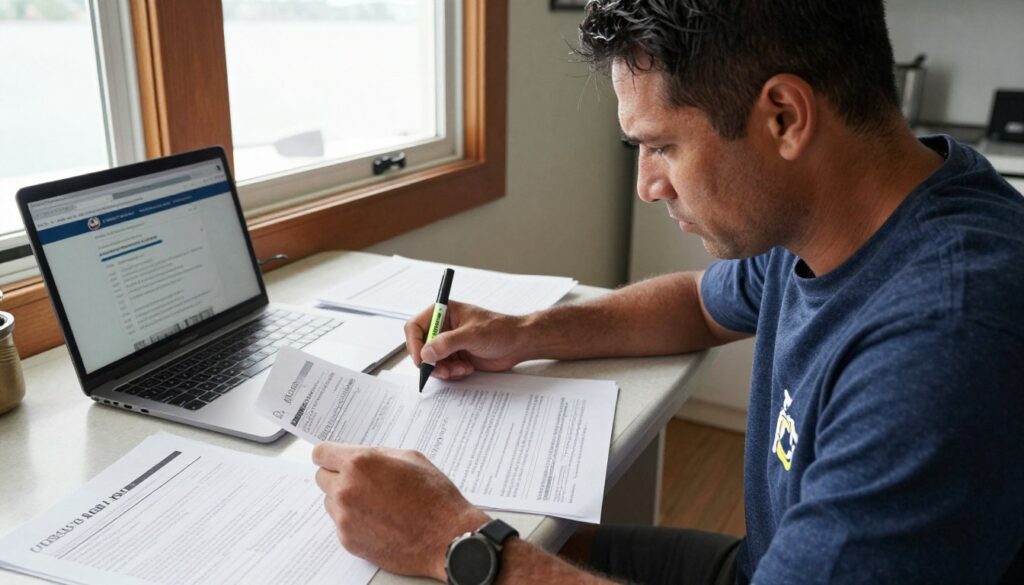
Most applicants encounter obstacles during certification. Recognizing common issues helps you avoid them proactively.
Inadequate Sea Service Documentation
Many applicants underestimate documentation precision requirements. “I’ve boated on Lake Winnipesaukee for years” doesn’t satisfy USCG standards.
Begin formal sea time logging immediately. Use proper CG-719S format even before beginning formal application processes.
Secure witness signatures while relationships remain current. Former employers and boat owners become difficult to locate years later.
Medical Certification Complications
Not all physicians understand USCG-specific medical standards. Using unfamiliar providers frequently causes delays and rejections.
Select medical professionals experienced with maritime examinations. Your training school often maintains referral lists of qualified providers.

Vision and hearing standards are precisely defined. Bring corrective lenses or hearing aids if you use them regularly.
Drug Testing Non-Compliance
Using non-approved testing facilities wastes money and time. Coast Guard maintains strict approved facility requirements.
Verify facility approval status before scheduling any testing. The test must follow exact DOT protocols.
Results must arrive within the 185-day validity window. Don’t test excessively early before application.
Application Form Errors
Minor mistakes cause major delays. Unsigned forms, missing dates, and incomplete sections trigger automatic rejections.
Review your complete application multiple times. Have your training provider verify it before submission.
Submission errors? Contact your Regional Exam Center immediately for clarification and correction procedures.
Examination Preparation Deficiencies
Some candidates underestimate exam difficulty. “I’ve been boating all my life” doesn’t guarantee passing scores.
Take course instruction seriously. Study provided materials thoroughly and consistently.
Practice examinations identify knowledge gaps. Focus additional study time on your weaker areas.
Career Opportunities with Your New Hampshire Captain’s License
Your boat captains license in new hampshire unlocks diverse professional maritime pathways. New Hampshire’s recreational waters support thriving maritime industries.
Charter Fishing Operations
New Hampshire’s lakes support robust charter fishing industries. Lake Winnipesaukee, Squam Lake, and Newfound Lake offer premium fishing experiences.
OUPV credential holders operate successful six-passenger charters. Master license holders run larger party fishing operations.
Seasonal peaks generate substantial income. Spring through autumn fishing seasons drive primary revenue for most operations.
Lake Tour and Sightseeing Services
Lake Winnipesaukee attracts substantial tourist traffic annually. Sunset cruises, historical tours, and sightseeing operations provide year-round opportunities.
These businesses often require lower equipment investment than fishing charters. Reduced barriers to entry attract new credential holders.
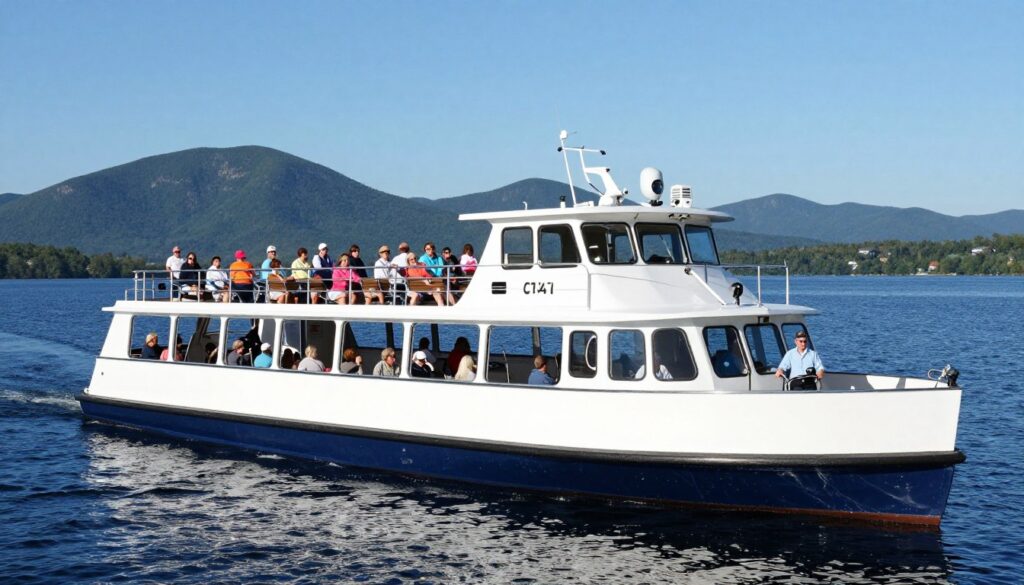
Consistent tourist seasons support stable businesses. Marketing expertise complements your maritime credentials effectively.
Commercial Vessel Operations
New Hampshire’s working waterways need credentialed professional mariners. Ferry services, water taxis, and commercial transport vessels operate continuously.
These positions offer regular employment with benefits. Master credentials open higher-level positions and command roles.
Connecticut River commercial operations generate steady demand. Portsmouth harbor activities need qualified vessel operators.
Maritime Education
Experienced captains transition into maritime instruction roles. Teaching aspiring mariners provides rewarding career evolution.
Your practical expertise becomes valuable educational content. Training schools need instructors with real-world operational experience.
Private Yacht Services
Wealthy vessel owners need qualified professional captains. Private yacht positions combine exclusive travel with professional vessel operation.
These roles often include excellent compensation packages. Your credential provides the professional foundation for premium positions.
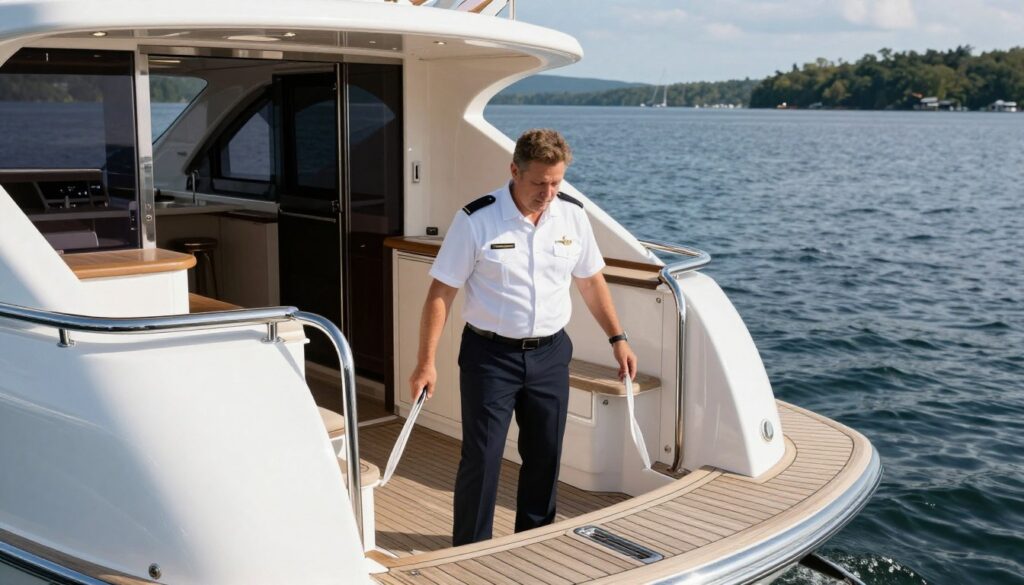
Building professional reputation and networks drives opportunity access. Your credentials open doors to exclusive positions.
Understanding the Investment
Becoming a licensed captain requires financial commitment. Understanding complete costs enables proper planning.
Training Course Investment
USCG approved courses range from $1,200 to $2,000 for OUPV certification. Master credential courses cost somewhat more.
Online and in-person formats vary in pricing. In-person instruction typically costs more but provides direct instructor interaction.
Course fees generally include instruction, materials, and initial examination attempt. Retake fees apply separately.
Medical and Testing Costs
Physical examinations cost $75 to $150 typically. Drug screenings run $50 to $100 at approved facilities.
USCG application fees add several hundred dollars. Check current fee schedules on National Maritime Center websites.
Budget $300 to $500 for combined medical, testing, and application expenses.
Supplementary Certifications
CPR and first aid certification costs $75 to $150. These credentials require renewal every two years.
TWIC card applications run approximately $125 if required. Processing takes several weeks typically.
Complete Investment Overview
Complete OUPV certification typically costs $2,000 to $3,000 total. Master credentials add $500 to $1,000 additionally.
Consider this professional education investment. Your credential enables immediate revenue generation upon receipt.
Most New Hampshire captains recoup costs within their first operational season. Charter fishing and tour operations generate solid financial returns.
Recurring Renewal Expenses
Five-year renewal cycles require budgeting. Plan for $500 to $800 every renewal period.
Medical examinations, drug screenings, and application fees recur. Course or exam fees apply if you lack adequate sea service.
Factor renewals into your business planning. Renewal isn’t optional for continued legal operation.
Begin Your New Hampshire Maritime Career
Thousands of mariners trust our USCG approved training to launch successful maritime careers. Our team provides comprehensive support from enrollment through credential issuance and beyond.
USCG Approved • New Hampshire Compliance Experts • Proven Success Records
Frequently Asked Questions
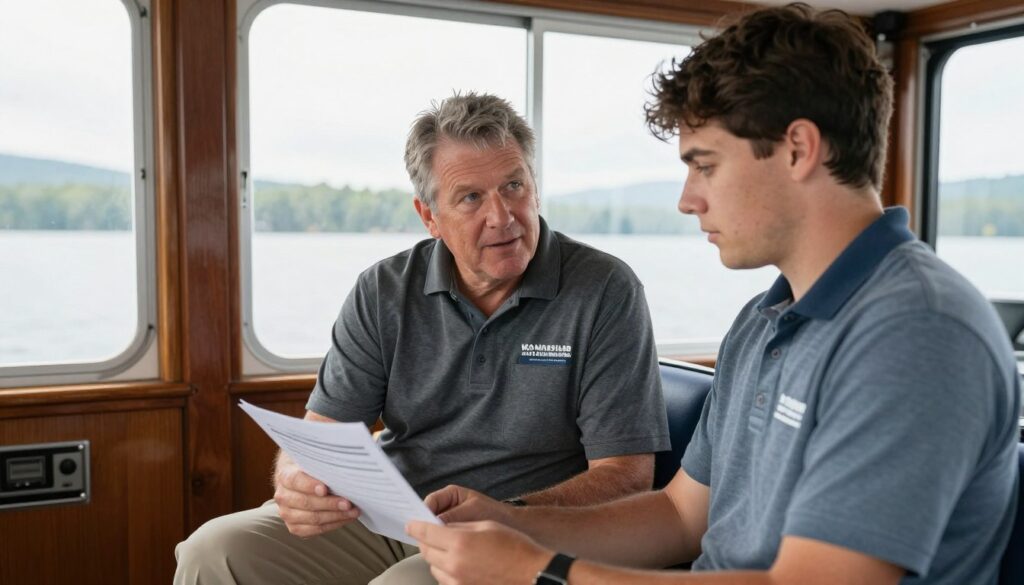
How long does getting a captains license in new hampshire take?
From initial course enrollment to receiving your physical credential takes ten to twelve weeks typically. This includes one week of training, examination completion, application submission, and Coast Guard processing time. Processing duration varies with seasonal application volumes.
Can I obtain a captain license without prior boating experience?
No. You must document 360 days of qualifying sea service, with 90 days occurring within the three years immediately before application. This requirement proves practical vessel handling competency. Begin logging your water time immediately if you’re working toward certification.
What distinguishes OUPV from Master licenses?
OUPV (6-pack) credentials authorize carrying up to six paying passengers on vessels under 100 tons. Master licenses eliminate passenger restrictions and scale by tonnage ratings (25, 50, or 100 tons). Master credentials significantly expand commercial operational capabilities.
Do I need separate New Hampshire state permits for charter operations?
Yes, for fishing charters specifically. Your USCG credential authorizes vessel operation, but New Hampshire requires commercial fishing guide licenses issued by Fish and Game Department. Sightseeing tours may require business licenses depending on your municipality.
What does captain license training cost in New Hampshire?
Complete OUPV certification costs $2,000 to $3,000 total, including training courses ($1,200-$2,000), medical examination ($75-$150), drug screening ($50-$100), USCG application fees, and CPR certification. Master credentials add $500 to $1,000 more.
What happens when my license expires?
You cannot operate commercially with an expired credential. However, you have one year post-expiration to renew without retaking your complete original course. After one year expires, you must restart the entire certification process from the beginning.
Can I renew my license without recent water time?
Yes. If you lack 360 days of sea service within the preceding five years, complete a USCG approved renewal course or pass an open book examination in lieu of sea service. This maintains your credential despite reduced operational activity.
Where can I take captain license courses in New Hampshire?
Coast Guard approved training providers operate in Portsmouth, Lake Winnipesaukee region, and Connecticut River towns. Both in-person classroom and online hybrid formats are available. Always verify current USCG approval status before enrollment.
What are USCG captain license exam pass rates?
Quality course providers report 85-95% first-time pass rates. Examinations require serious study and preparation. You need 90% or higher scores on most modules. Failed sections allow retesting after additional study preparation.
Do I need a TWIC card for New Hampshire waters?
It depends on your specific operations. Inland lake captains typically don’t need TWIC credentials. Operations on navigable federal waterways or near security-sensitive facilities may require TWIC. Verify requirements with your Regional Exam Center based on your planned operations.
Your Maritime Future Starts Now
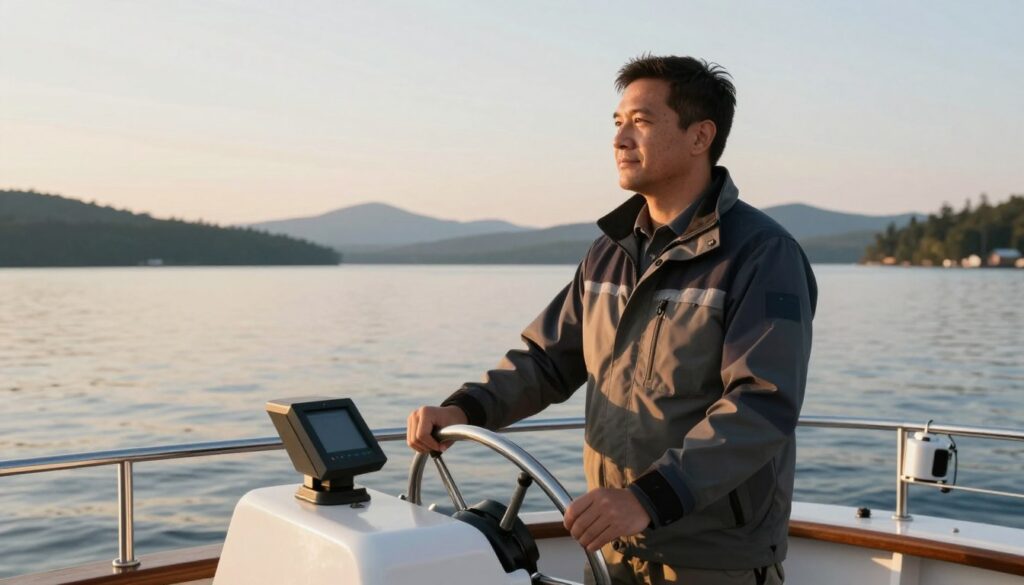
Obtaining your captains license in new hampshire combines federal USCG certification with state-specific compliance. The structured process is completely achievable.
You now understand eligibility requirements, training expectations, examination standards, and renewal procedures. New Hampshire-specific permits complete your professional authority.
Your maritime career begins with proper preparation and documentation. Choose Coast Guard approved training providers exclusively.
New Hampshire’s lakes and rivers need qualified professional captains. Your credentials unlock immediate opportunities across multiple maritime sectors.
The training investment returns quickly through charter operations, commercial positions, or private yacht services. New Hampshire’s recreational waters support thriving maritime businesses.
Begin your certification journey today. Your professional maritime future awaits.